Quick answer: Gel polish doesn't have a 21-day expiration date. A well-applied gel manicure can look beautiful for weeks. For many clients, a refresh every three to four weeks makes sense, not because the gel suddenly becomes harmful, but because natural nails keep growing. Regular maintenance helps preserve the shape, balance, and finish of your manicure.
Your gel manicure still looks perfect. So why book again?
Three weeks after your appointment, your nails are still glossy. No chips, no cracks, and the color looks just as beautiful as it did when you left the salon.
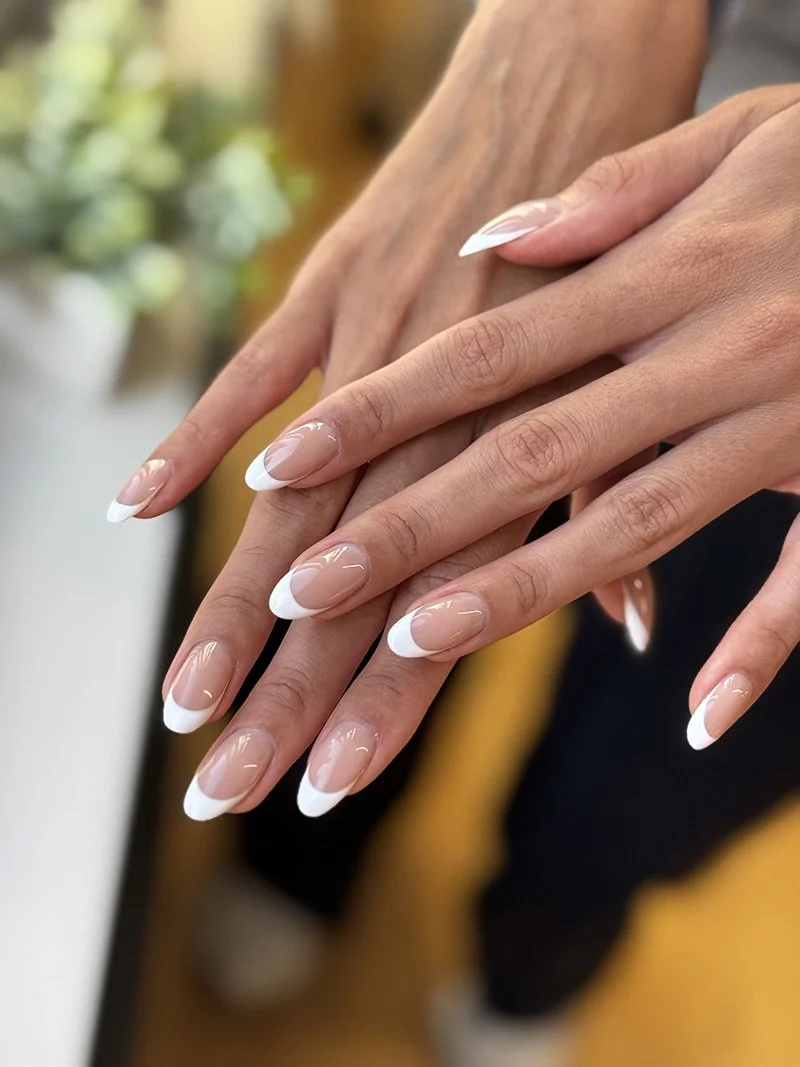
Sounds like a great manicure, right? So, if everything still looks good, do you really need another appointment?
You've probably heard that gel polish becomes dangerous after 21 days. You may have heard the opposite, too: if nothing is lifting or breaking, there's no reason to replace it. Neither idea tells the whole story. The real question isn't how many days your gel has been on, but how your natural nails have grown and how the coating is holding up.
Does gel polish really become harmful after 21 days?
No. There is no established scientific rule that gel polish suddenly becomes toxic on day 21, 22, or 28. The familiar three-to-four-week interval is a practical maintenance guideline, not a medical deadline.
It also helps to understand that not all gel manicures are the same. A thin gel-polish coating provides long-lasting color. Flexible base gels offer a little more support, while builder gel and hard gel can be shaped to reinforce the nail and create a balanced structure.
These products can need different kinds of maintenance as the natural nail grows. That's why the best schedule depends on the individual manicure, not just the calendar.
Your nails never stop growing
Even when your manicure looks unchanged, your natural nails are growing a little every day. A 2010 study of healthy young adults found that fingernails grew an average of 3.47 millimeters per month. The exact rate varies from person to person.
A few millimeters might not sound like much, but they change where the coating sits on your nail. With a simple gel manicure, the first visible sign is often a small gap near the cuticle. With a builder gel manicure or extensions, there's something else to consider: the structure created to support the nail.
Think of a shelf supported in a particular spot. If the shelf gets longer while the support stays in the same relative position, the balance changes. A structured nail follows a similar principle. As your nail grows, the area of reinforcement moves forward, and the free edge may become longer.
That can change how the nail handles everyday pressure. It doesn't mean a nail will suddenly crack after four weeks. A short nail with a thin, flexible coating is very different from a long nail with a structured gel overlay. It simply explains why a refresh can be worthwhile even when the color still looks flawless.
Why regular maintenance matters
If your manicure looks great after three weeks, that's a wonderful result. Long-lasting wear and regular maintenance go hand in hand. During an appointment, your nail technician can check the existing product, tidy up the grow-out, adjust the length or shape if needed, and restore the finish.
What happens next depends on the service. A regular gel manicure may need a fresh application. Some structured gel manicures can be maintained with a fill when the existing product is in good condition.
The goal isn't to replace perfectly good work for no reason, but to keep the manicure comfortable, balanced, and beautiful as your nails change naturally.
What if your gel polish starts lifting?
Sometimes the edge of a gel coating begins to separate from the natural nail. This is called product lifting. By itself, lifting doesn't automatically mean your nail is damaged or that you have an infection.
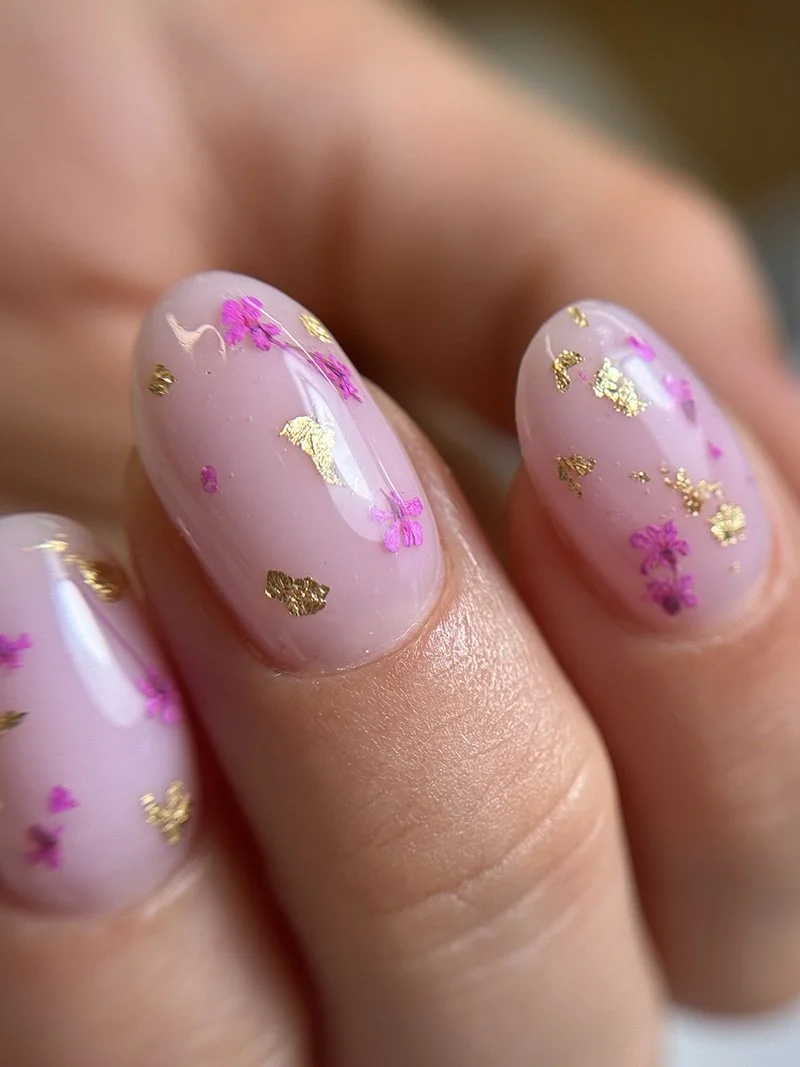
Still, it's worth having lifted product checked rather than picking or peeling it off yourself. Your technician can see whether the coating needs an adjustment, a fresh application, or removal.
Want to see how we approach real nail repairs? Take a look at our 4 Nail Repairs: Before & After, featuring examples of work completed at Mars Nails.
If you experience pain, swelling, persistent unusual discoloration, or separation of the natural nail from the nail bed, seek advice from a dermatologist rather than covering the area with fresh gel.
So how often should you book your next gel manicure?
For many clients, every three to four weeks is a good starting point. The right timing depends on how quickly your nails grow, their length, the product you're wearing, and how well the coating is holding up.
You may benefit from an earlier appointment if your nails are long, grow quickly, or have a structured gel overlay that needs rebalancing. And if you notice lifting or a crack, there's no need to wait for a particular date before asking your technician to take a look.
The point isn't to change your nails as often as possible or to see how long you can stretch one manicure. It's to find a routine that works for your nails and keeps the result looking its best.
The takeaway: your nails don't have a calendar
Your nails don't know whether it's been 21 days, 28 days, or five weeks since your last appointment. They just keep growing.
Gel polish doesn't suddenly become toxic after three weeks. What changes over time is the position of the coating as your natural nails grow beneath it. With the right maintenance schedule, you can keep enjoying a beautiful gel manicure without worrying about an arbitrary expiration date.
Good nail care shouldn't be based on fear. It should be based on understanding your nails and knowing when a little maintenance will help.
Ready for your next gel manicure? At Mars Nails in FiDi, Manhattan, we tailor each appointment to your natural nails, the products you wear, and the finish you love. Explore our Russian Gel Manicure for service details, pricing, and booking.