If you've ever wondered what separates a Russian pedicure from a classic salon pedicure, it comes down to one thing you notice the moment you sit down: there's no bowl of water.
A traditional pedicure often starts with a warm foot soak, while a Russian dry pedicure works on dry skin without soaking. Both aim to leave you with neat toenails and soft feet, but the techniques, experience in the chair, and finishing details can be noticeably different.
Let's look at how the two approaches compare in feel, aesthetics, and everyday wear.
The Traditional Pedicure: Built Around the Soak
A classic pedicure is all about that familiar, relaxing water ritual. You soak your feet in a warm basin to soften the skin, followed by nail trimming, cuticle care, exfoliation, and polish.
Depending on the salon, the treatment may also include a scrub, massage, or moisturizing treatment. If your favorite part of a pedicure is sitting back and enjoying a warm foot soak, this experience might be exactly what you're looking for.
The Russian Pedicure: Built Around Dry Detail
A Russian pedicure skips the water basin and focuses on detailed grooming. Working on dry skin, the technician uses specialized electric file (e-file) bits to carefully clean around the toenails and disposable abrasive discs to smooth rough areas of the feet.
Instead of a traditional spa soak, the experience focuses on precision, controlled foot care, and a carefully refined finish.
How They Compare: Visuals, Feel & Finish
1. How Clean the Toenails Look Up Close
When feet soak in water, the skin around the nails temporarily softens and can swell slightly. This may make it harder to assess the cuticle area in its natural state.
Because a Russian pedicure is performed dry, the technician can see the skin and nail folds as they normally appear. This allows for detailed preparation around the toenails and careful shaping of the nail edges.
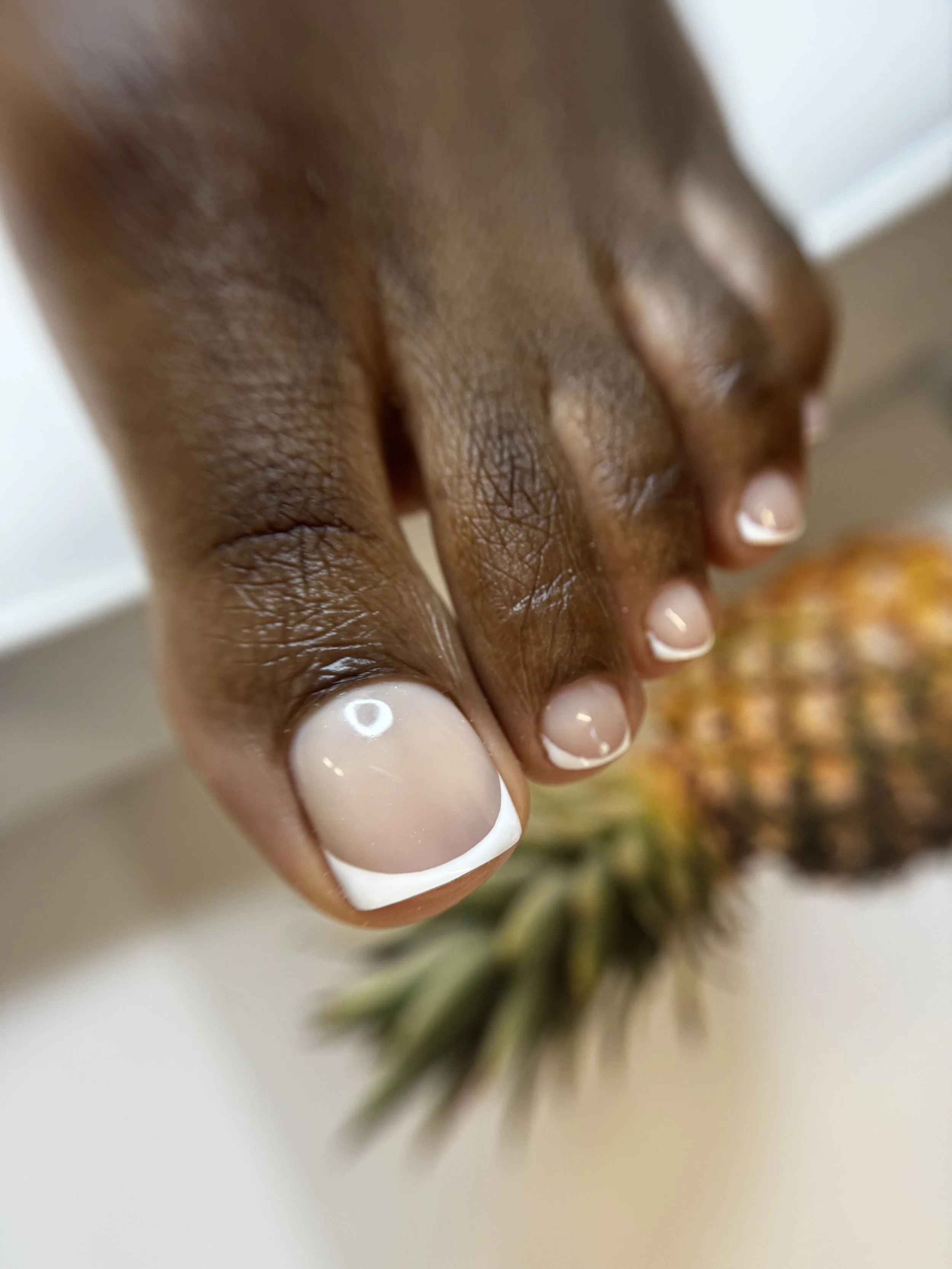
The result is a neat, well-defined cuticle line that looks especially beautiful with sheer colors, French tips, or a glossy gel finish.
2. How Your Heels Feel Afterward
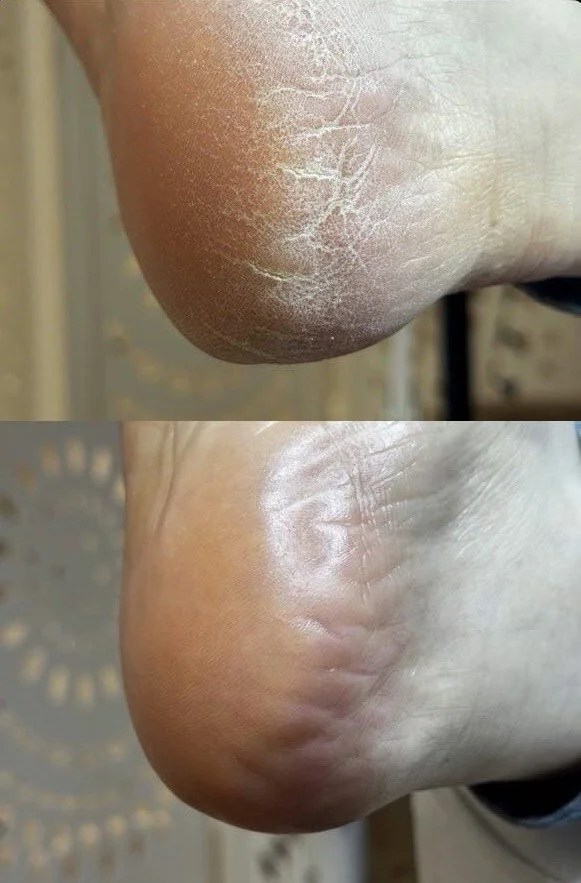
We've all experienced rough heels that catch on socks or bedsheets, even after using moisturizer.
In a traditional wet pedicure, soaking softens the skin before exfoliation. With a dry pedicure, the technician works directly on the skin's natural texture, making it easier to identify rough patches and adjust the treatment as needed.
Using appropriate abrasive discs, the surface is gradually smoothed without removing more skin than necessary.
The goal is simple: softer, more even-feeling heels without aggressive filing. How long that smoothness lasts depends on your skin, footwear, daily activities, and home care.
3. How the Polish Is Applied
One advantage of dry preparation is that the toenails aren't exposed to a foot soak immediately before the coating process.
The technician works on a dry nail surface, carefully preparing it for the chosen finish. This can be particularly useful for precise gel application around the cuticle area.
Traditional pedicures can also achieve excellent polish results when the nails are properly dried and prepared before application.
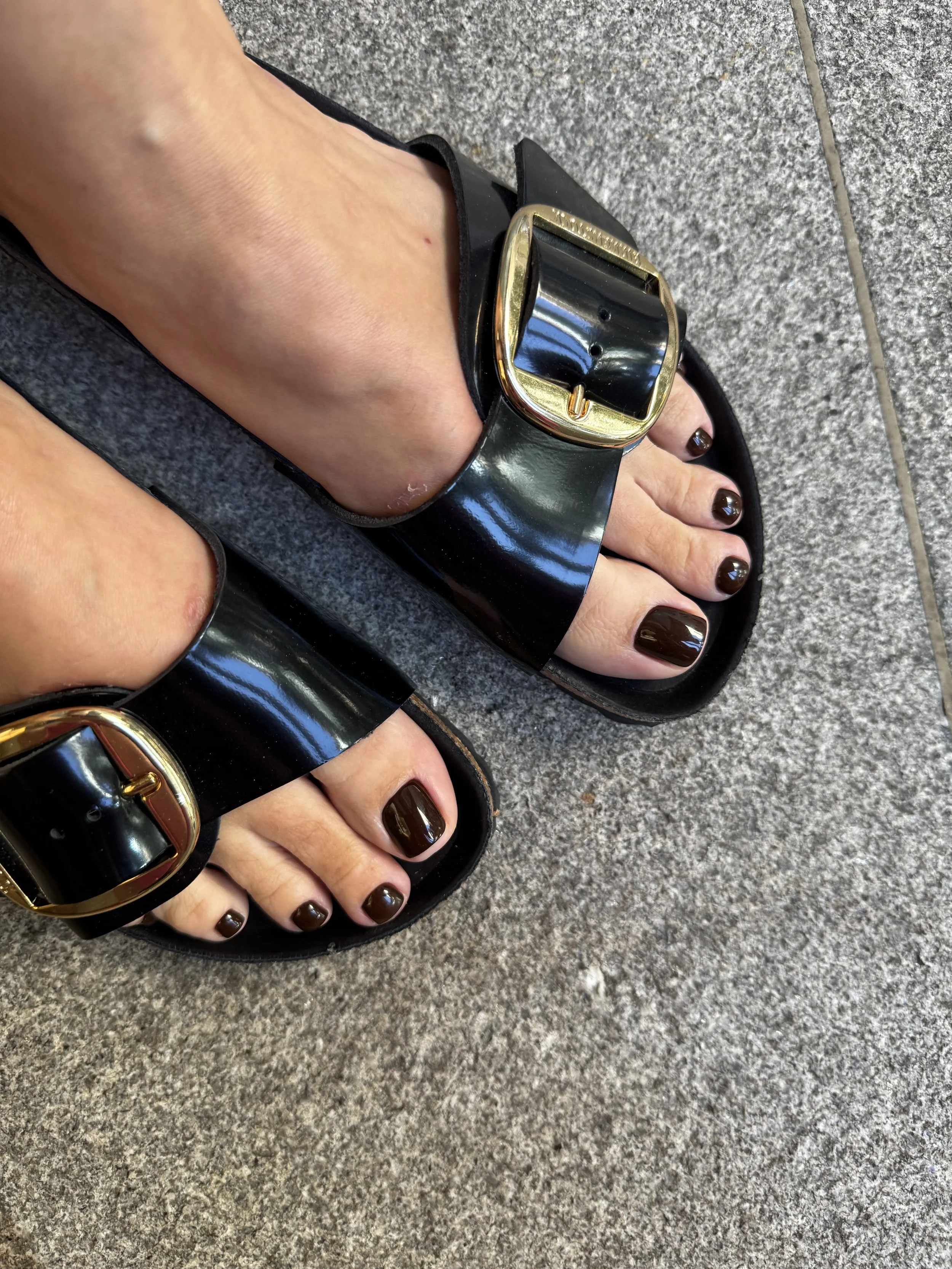
Whether you prefer glossy dark shades, a classic French, or a natural finish without polish, the quality of preparation and application matters more than the technique's name alone.
| What You Notice | Russian (Dry) | Traditional (Wet) |
|---|---|---|
| Preparation | Waterless | Usually includes a warm soak |
| Toenail Care | Detailed e-file work | Primarily manual tools |
| Heel Care | Dry abrasive discs | Soaking and exfoliation |
| Nail Finish | Detailed dry preparation | Preparation after soaking |
| Experience | Precision-focused | Spa-like and relaxing |
Which Pedicure Is Right for You?
A traditional pedicure might be your pick if:
Your favorite part of a pedicure is soaking your feet in warm water.
You enjoy a relaxing spa experience with scrubs and massage.
You're looking for a classic nail and foot care treatment.
A Russian pedicure may be a better fit if:
You appreciate detailed cuticle work and a clean, refined toenail appearance.
You prefer controlled smoothing of rough heels using dry abrasive techniques.
You enjoy a waterless procedure focused on precision and individual nail care.
Neither technique is automatically better for everyone. The right choice depends on your preferences, the condition of your feet, and the experience you're looking for.
Curious About the Dry Technique?
At Mars Nails, we focus on precise, waterless pedicure techniques, combining detailed e-file toenail preparation with carefully controlled foot care.
Whether you prefer a natural finish, gel color, or additional attention to rough heels, our approach is tailored to the condition of your feet and the result you want.
Explore our Russian dry pedicure services to learn more about the different treatments available at Mars Nails.