Hard Gel vs Soft Gel Nails: What’s the Difference?
The names can be confusing because hard gel and soft gel can look almost identical once the manicure is finished. The difference is mostly in what the product is doing underneath the color.
Soft gel is usually enough when the natural nail already has a good shape and mainly needs color and a neat finish. Hard gel is used when the nail needs more structure - for example, extra support, shape correction, a rebuilt corner, or more control over the apex.
So when choosing between the two, it makes more sense to look at what your natural nails need rather than how you want the final color to look.

Hard Gel Nails
What Are Hard Gel Nails?
Hard gel is a rigid gel material cured under a UV or LED lamp. It can be used to create structure, reinforce the nail, rebuild damaged areas, and correct shape.
For clients who want added support over their existing natural length, hard gel or builder-type structured gel can be used as an overlay. At Mars Nails, this type of appointment is offered as a Builder Gel Manicure.
Hard gel can also be used for more detailed corrective work. If broken corners, uneven sidewalls, asymmetry, or a small amount of restored length need to be rebuilt, that falls under Hard Gel Modeling & Sculpting.
Because hard gel is more rigid, it is generally maintained with professional filing rather than simply peeled or removed at home.
What Are Soft Gel Nails?
Soft gel is lighter and more flexible than hard gel. It is commonly used when the main goal is gel color, shine, and a natural feel without a structured overlay.
At Mars Nails, clients who want detailed dry e-file preparation with gel color on their natural nails can choose a Russian gel manicure.
Soft gel is often a good option when your natural nails already have enough strength and you do not need additional structure, rebuilding, or shape correction.
Depending on the product and application, many soft gel systems can also be soaked off with acetone.
Hard Gel vs Soft Gel: Main Differences
The main difference is structure.
Hard gel is more rigid and is better suited to situations where the nail needs support, reinforcement, rebuilding, or shape correction.
Soft gel is more flexible and is mainly suited to clients who want gel color and shine without a structured overlay.
Which One Lasts Longer?
Hard gel systems are generally chosen when more structure and durability are needed. Because the material is rigid, it can provide additional support between appointments.
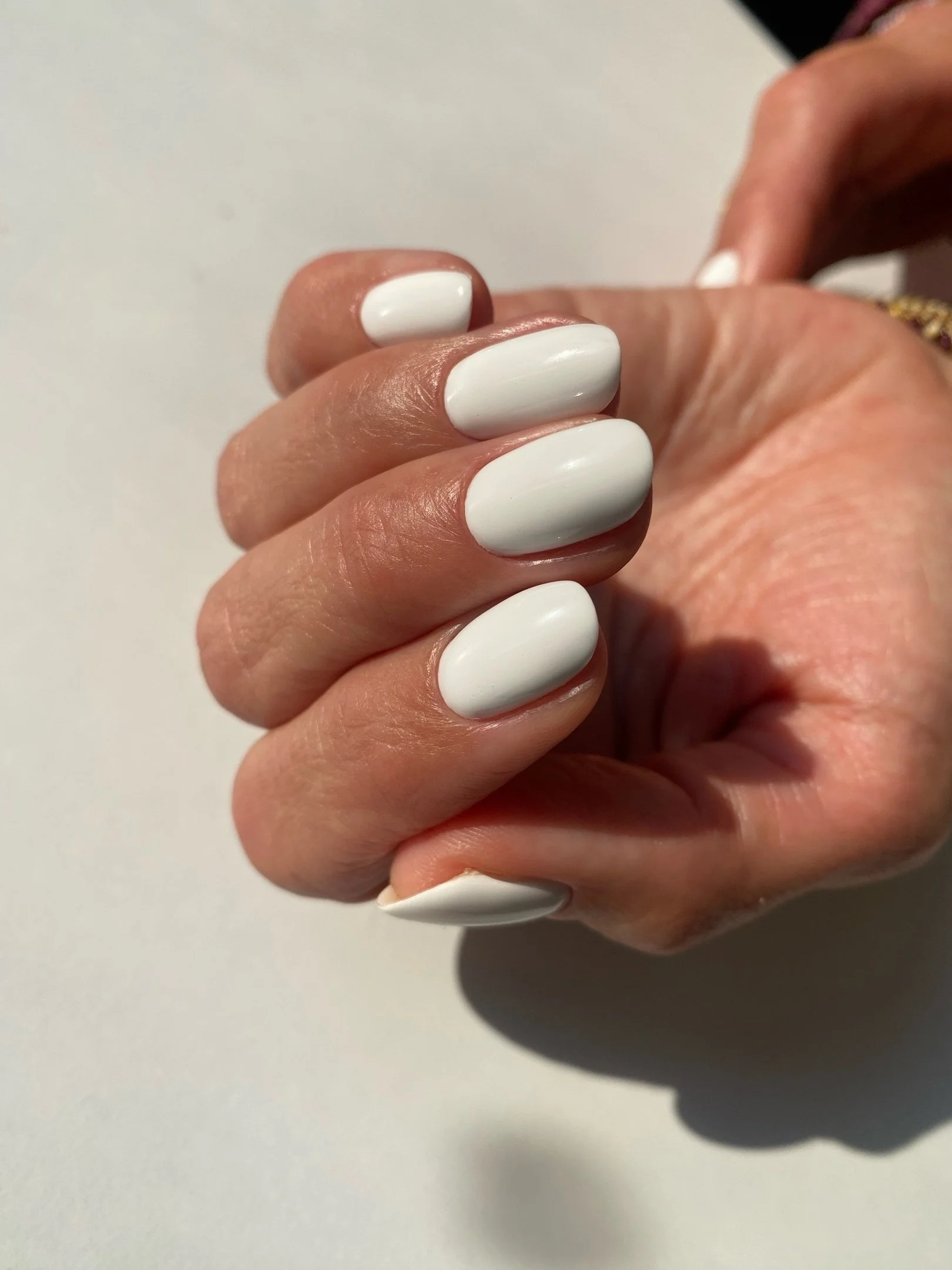
Soft Gel
Soft gel can also wear well, but it is better suited to nails that do not require much added structure.
Actual wear time depends on natural nail growth, daily use, aftercare, product choice, and application.
Which One Looks More Natural?
Both can look very natural. The difference is more about what is underneath the color and how much structure the natural nail actually needs.
Soft gel usually sits lighter because it is mainly there for color and finish. If the natural nail already has a good shape and enough strength, there may be no reason to build anything more.
Structured gel is different. The technician can add a little more support where the nail needs it, correct the apex, or refine the sidewalls without making the nail look thick.
So a structured manicure does not have to look bulky. On a well-built set, most people will notice the clean shape before they notice that extra structure was added.
Which Should You Choose?
If your natural nails are already strong and you mainly want detailed dry preparation and gel color, a Russian gel is usually enough.
For natural nails that need more support, a Builder Gel adds a structured overlay while keeping your existing length. Broken corners, uneven shape, or small areas that need rebuilding are better suited to Hard Gel option. If you want substantial added length across the full set, Nail Extensions are the better option.
If you are unsure which appointment fits your nails, compare the service options before booking or contact Mars Nails for help choosing the correct service.