What Makes a Russian Gel Manicure Different?
A Russian gel manicure is often confused with a standard gel manicure, but the main difference is the preparation. The technique focuses on dry cuticle work, nail plate preparation, and a clean gel finish rather than only color application.
For the broader dry manicure technique, see Russian manicure in NYC. For the gel-specific option, see the Russian Gel Manicure service
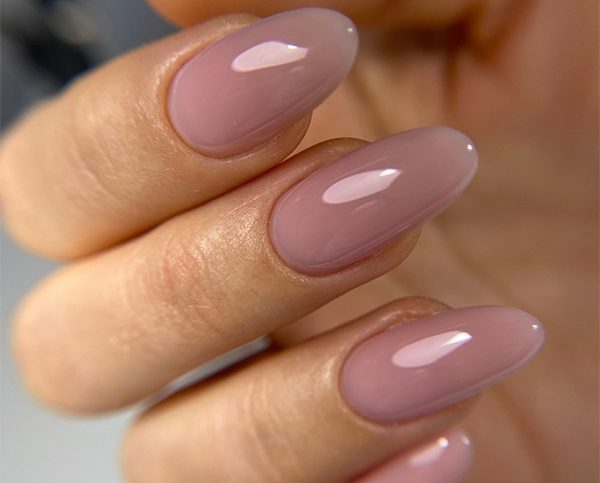
Russian Gel Manicure
What Makes a Russian Gel Manicure Different?
A standard gel manicure usually focuses on shaping, light cuticle care, color application, and curing under a lamp. A Russian gel manicure places more attention on the preparation stage.
The nail artist works on a dry nail surface and carefully refines the cuticle area before gel is applied. This helps create a cleaner edge near the cuticle line and a smoother surface for the gel.
The difference is subtle, but visible. The manicure often looks neater because the foundation is more controlled.
Why Dry Preparation Matters
Dry preparation allows the technician to see the natural nail and surrounding skin more clearly. Without soaking, the nail plate stays firm, which can make the preparation more precise.
This matters because gel performs best on a clean, balanced surface. If the nail plate is uneven or the cuticle area is not fully prepared, the finish can look less smooth or begin to lift sooner.
With careful dry preparation, the gel can be placed more evenly and closer to the cuticle line. This helps the manicure grow out in a cleaner, more natural-looking way.
Where Gel Fits Into the Technique
The gel adds shine, structure, and durability. The exact type of gel depends on the natural nail and the desired result.
Soft gel is often used for a lighter, more flexible finish. Builder gel can add structure and help balance the shape of the nail. Hard gel may be recommended when the natural nail needs more strength or support.
The preparation and the gel work together. The dry prep creates the clean base, while the gel creates the finished surface.
Who This Technique Is Usually Best For
This technique is often chosen by people who want a more precise version of a gel manicure or who find that standard gel lifts, chips, or grows out unevenly.
It may be a good fit for someone who prefers:
A clean cuticle line
A smooth gel surface
A refined, natural-looking finish
More structure than regular polish
A manicure that stays neat as it grows out
It is a detail-focused technique, so it is usually better suited to people who value precision over speed.
How It Compares to a Basic Gel Manicure
The main difference is the level of preparation.
A basic gel manicure may include simple shaping, light cuticle work, and gel polish. A Russian gel manicure typically includes more detailed dry cuticle work and more careful nail plate preparation before the gel is applied.
That extra preparation can affect how the gel sits, how clean the outline looks, and how balanced the finished manicure appears.
How the Appointment Is Usually Structured
A typical appointment may include dry preparation, shaping, cuticle refinement, gel application, and finishing details.
If the natural nail needs additional support, the technician may recommend a strengthening option such as builder gel or hard gel. The choice depends on the condition of the nail, the desired length, and how much structure is needed.
The goal is not to make the nail look heavy. The goal is to create a smooth, clean finish that works with the natural nail shape.
Final Thoughts
A Russian gel manicure is best understood as a precision gel technique. The gel creates shine and durability, while the dry preparation creates the clean outline and refined finish. In short, the preparation shapes the result.